What to Look for in a Reliable iPhone 17 Charger?
Updated: 20 Apr 2026
90
Choosing a reliable iPhone 17 charger matters more than most people think. The right charger keeps your phone safe, preserves battery health, and saves time every day. Cheap or poorly designed chargers can cause overheating, slow charging, and even long‑term battery damage. When you understand key specs like wattage, safety protections, and build quality, you avoid guesswork and stop wasting money on replacements. This guide walks through the most important factors based on what top chargers and leading brands now offer. Use it to compare options and pick a charger that matches how you actually use your iPhone 17.
Key Performance Factors of a Reliable iPhone 17 Charger
Optimal Wattage and Fast Charging Support
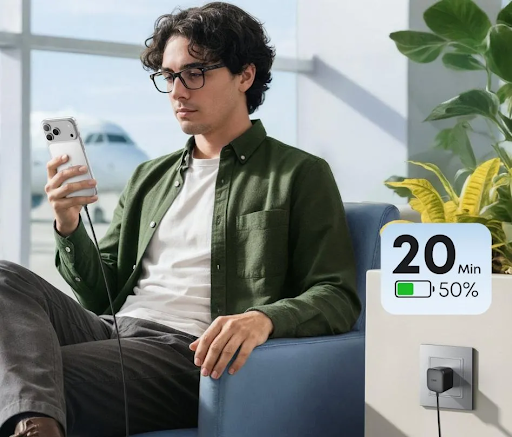
Wattage decides how fast a charger can power your iPhone 17. Apple devices that support fast charging usually benefit from chargers in the 20W–30W range for a good balance of speed and heat control. Look for USB‑C chargers that support USB Power Delivery (USB‑C PD) and common fast‑charge profiles. A reliable iPhone 17 charger should clearly state output ratings, such as 5V/3A or 9V/2.22A, on the body or packaging. Avoid vague “fast charge” claims without numbers. Make sure your cable also supports high‑speed charging. A solid match between charger wattage and the iPhone 17’s fast‑charging capability gives you quicker, safer power every day.
Charging Efficiency and Heat Control
A good iPhone 17 charger converts wall power into battery power efficiently, wasting less energy as heat. Look for chargers with high efficiency ratings and modern GaN (gallium nitride) technology, which often run cooler and smaller than older silicon models. A reliable charger should stay warm but not uncomfortably hot to the touch. Smart power management chips can adjust output and reduce heat once your battery approaches 80–90%. This helps protect long‑term battery health. Consistent, efficient power delivery and solid heat control show that a charger is engineered, not just assembled.
Essential Features That Ensure Safety and Durability
Built-In Protection and Smart Charging Technology
Safety features make the biggest difference between a trustworthy iPhone 17 charger and a risky knockoff. Look for built‑in protections such as over‑current, over‑voltage, short‑circuit, and over‑temperature safeguards. These systems shut down or reduce output when something goes wrong, protecting both your phone and home. Smart charging chips can also identify connected devices and adjust voltage and current for each one. This “intelligent” behavior helps prevent battery stress during long overnight charges. Many top chargers support automatic trickle charging once the battery nears full. That reduces wear on the iPhone 17’s battery chemistry and can extend its lifespan compared to basic, always‑on chargers.
Build Quality, Materials, and Certification Standards
A reliable iphone 17 charger feels solid and uses quality materials. The casing should resist heat and fire, often with V‑0 flame‑retardant plastic. Cables should have robust strain relief at both ends and thicker wire gauges for stable power delivery. Avoid chargers with loose ports, rattling parts, or sloppy molding. Certification marks matter as well. Look for safety approvals relevant to your region, such as UL, ETL, CE, or UKCA, plus compliance with USB‑IF or equivalent standards. Apple’s own “Made for iPhone” (MFi) certification applies to cables and some charging accessories. Certified chargers follow tested standards instead of cutting corners on insulation and circuitry.
Choosing the Right Charger Type for Your Daily Needs
Single-Port vs Multi-Port Chargers for Convenience
Single‑port chargers work well if you mainly charge the iPhone 17 alone and want a compact, travel‑friendly adapter. They are simple and often provide full power to one device. Multi‑port chargers add flexibility by powering a phone, tablet, earbuds, or watch at the same time. When comparing multi‑port options, check how total wattage splits across ports. Some chargers prioritize the first USB‑C port for fast charging, then share remaining power with others. Make sure the charger can still provide at least 20W to your iPhone 17 while other devices charge. Think about your desk, couch, and bedside setups to decide how many ports you really need.
Portable Chargers vs Wall Chargers for Flexibility
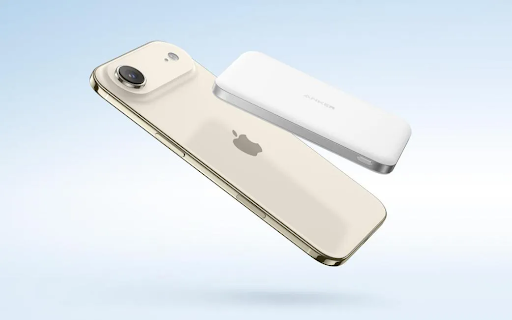
Wall chargers plug into outlets and deliver the most stable, consistent power for your iPhone 17. You rely on them at home, work, or hotels. Portable chargers, or power banks, store energy and keep your phone going when you travel, commute, or spend long days away from outlets. For power banks, consider capacity (mAh), weight, and whether they support USB‑C PD fast charging. A model around 10,000–20,000mAh usually covers one to several iPhone 17 charges. Ideally, pair a reliable wall charger with a quality power bank. This combo ensures fast top‑ups at home and dependable backup power whenever you step outside.
Conclusion
A reliable iPhone 17 charger combines proper wattage, efficient power delivery, and strong safety protections. Focus on fast‑charge support around 20W or higher, stable heat control, and clear safety certifications. Smart charging chips and quality materials help protect your iPhone 17’s battery and keep your setup safe over years of daily use. Choose between single‑port or multi‑port chargers based on how many devices you plug in at once. Add a power bank if you spend a lot of time away from outlets. When you evaluate these key factors, you invest in a charger that matches your phone’s capabilities and your routine.
Please Write Your Comments