What Makes a Fast Charger Truly Efficient?
Updated: 20 Apr 2026
90
Fast chargers promise quick power, but not every “fast” brick performs the same. Some waste energy as heat, slow down under load, or fail to protect your devices. A truly efficient fast charger balances speed, safety, and smart power delivery. Brands like Anker show how this works in practice. Anker’s exclusive PowerIQ and VoltageBoost technologies combine to ensure the fastest possible charge for all non‑Quick Charge devices. Their GaN fast chargers stay compact while powering phones, tablets, and laptops at high speed. Understanding what sits behind these features helps you choose a charger that actually delivers.
Core Factors That Determine Charger Efficiency
Power Output vs. Real Device Needs
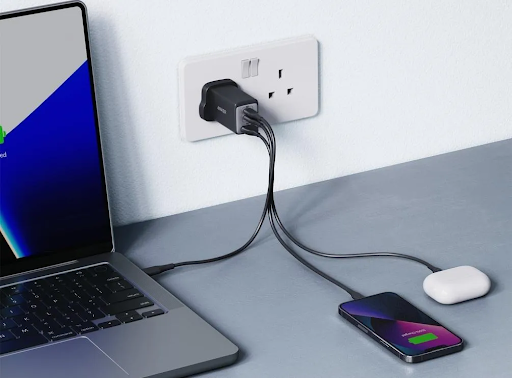
Many people think higher wattage always means faster charging, but that idea often misleads buyers. Your device sets its own power limit through its charging protocol and battery design. If your phone only accepts 25W, a 100W charger will not charge it faster; the extra capacity just sits unused. You want a charger that matches or slightly exceeds the maximum supported by your devices. Multi‑port chargers from brands like Anker solve this by sharing a higher total output across several devices. This setup lets a laptop, phone, and earbuds all charge at efficient speeds without wasting power or money.
Energy Conversion and Heat Management
A fast charger converts AC from the wall into low‑voltage DC that your devices can use. Poor designs lose a lot of energy during this conversion as heat, which makes the charger hot and wastes electricity. Efficient chargers use high‑quality components and topologies that keep conversion losses low. Less wasted energy means cooler operation and more power reaching your device. Many modern GaN chargers run cooler than older silicon models at the same wattage. Anker’s GaN charger delivers powerful output without turning into a mini heater. Excellent thermal design enhances safety, lifespan, and charging efficiency.
Technologies That Improve Fast Charging Performance
GaN Technology and Why It Matters
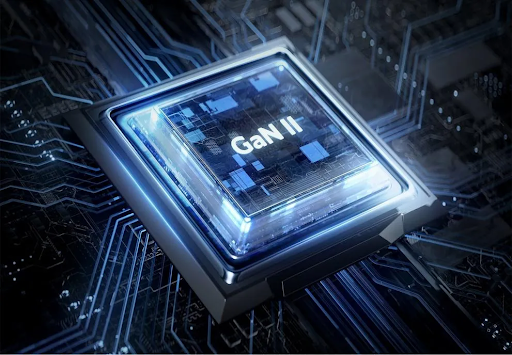
Gallium nitride (GaN) replaces traditional silicon in many new fast chargers. GaN components switch power more efficiently and at higher frequencies. This improvement allows engineers to shrink internal parts like transformers and heat sinks without losing performance. The result is a compact charger that still delivers high wattage. Anker’s GaN chargers pack enough power to charge laptops, tablets, and phones at once, yet they stay small enough for travel. GaN also helps cut energy loss, so less power turns into heat. That efficiency supports faster, more stable charging under heavy loads and reduces stress on the charger’s internal components.
Smart Charging Protocols and Compatibility
Fast charging relies on communication between the charger and your device. Protocols like Power Delivery (PD), Quick Charge, and proprietary systems negotiate voltage and current. A smart charger identifies the connected device and selects the best profile automatically. Anker’s PowerIQ technology does this for non‑Quick Charge devices, while VoltageBoost offsets cable resistance to maintain speed. This intelligence ensures your phone, tablet, earbuds, or laptop all receive optimal power. Broad protocol support also improves compatibility across brands, so you do not need a separate charger for every gadget. Smart control keeps charging fast, safe, and efficiently for the long term.
Practical Tips to Choose an Efficient Fast Charger
Matching Charger Specs to Your Devices
Start by listing the devices you charge most: phone, tablet, earbuds, laptop, or wearable. Check each device’s maximum charging wattage and the supported protocols, such as PD or Quick Charge. Choose a charger that meets the highest requirement and offers extra ports for other gear. Multi‑port GaN chargers from brands like Anker handle phones and laptops at once, reducing clutter. Avoid extreme overkill; a 140W charger for a 20W phone wastes money and size without real benefit. Make sure the charger’s total output covers all ports in use, so speeds stay high even when several devices draw power together.
Safety Features and Long-Term Reliability
Efficient fast charging must also protect your devices. Look for chargers with built‑in safeguards: over‑voltage protection, over‑current protection, temperature monitoring, and short‑circuit defense. Reputable brands list these clearly and often certify products under standards like UL or ETL. Anker’s chargers add smart control that manages power and heat, helping preserve battery health. A cooler, well‑regulated charger reduces wear on both the adapter and your devices over time. Check for solid build quality, sturdy prongs, and reputable customer reviews. Spending a bit more on a safe, proven charger usually saves you from battery issues, device damage, or early failure.
Conclusion
A truly efficient fast charger does more than push high watt numbers. It matches real device needs, converts power with minimal waste, controls heat, and communicates using smart protocols. GaN technology and intelligent features such as Anker’s PowerIQ and VoltageBoost show how modern chargers deliver speed, safety, and portability together. When you compare models, focus on supported wattage, protocol compatibility, safety certifications, and real‑world reviews. The right fast charger will quickly power your phone, laptop, and other gadgets while protecting their batteries and saving energy. With a careful choice, you upgrade convenience without sacrificing reliability or safety.
Please Write Your Comments