What Drives the Growth of the Plastic Industry in Turkey?
Updated: 26 May 2025
918
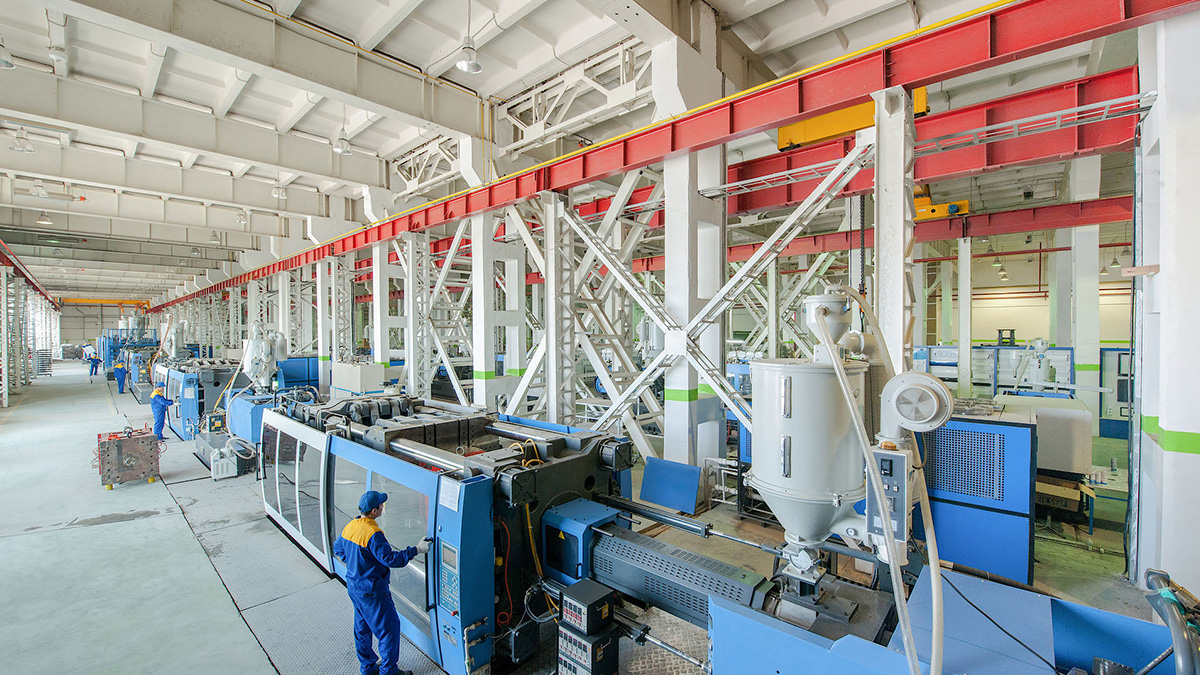 The plastic sector in Turkey has emerged as a powerhouse, positioning the country as the sixth-largest plastic producer globally and the second in Europe. With an annual production of 11.2 million tons and a market value of $46.9 billion in 2023, the plastic sector continues to thrive. This blog explores the key drivers fueling the growth of the plastic sector in Turkey, from economic advantages to technological advancements.
Strategic Location Boosts the Plastic Sector
Turkey’s geographic position as a bridge between Europe and Asia significantly enhances the plastic sector in Turkey. Its proximity to the European Union facilitates strong trade relations, making it a prime destination for plastic exports. In 2024, the plastic sector achieved a record export value of $9.5 billion, growing 7% despite global challenges. Regions like Marmara, Ankara, and Izmir serve as industrial hubs, driving production and export activities in the plastic sector in Turkey. This strategic location ensures efficient access to both raw materials and international markets.
Rising Demand in the Plastic Sector in Turkey
The plastic sector benefits from robust demand across multiple industries, particularly packaging, automotive, and construction. The packaging segment alone generated $8 billion in exports in 2023, with products like plastic bags and containers leading the market. The plastic sector in Turkey is also pivotal in the automotive industry, where lightweight plastic compounds improve fuel efficiency in electric vehicles. This growing demand, coupled with Turkey’s ability to produce diverse plastic products, solidifies the plastic sector’s role in the economy.
Technological Advancements in the Plastic Sector
Innovation is a cornerstone of growth in the plastic sector in Turkey. The integration of Industry 4.0 technologies, such as AI and automation, enhances production efficiency and product quality. In 2023, investments in machinery for the plastic sector surged by 24%, surpassing $1 billion. These technological strides also support sustainable practices, aligning with global trends.
Challenges and Future Outlook for the Plastic Sector
Despite its success, the plastic sector in Turkey faces challenges like dependency on imported raw materials and environmental concerns. Approximately 89% of plastic raw materials are imported, impacting costs. However, the plastic sector is addressing these issues through increased recycling efforts and sustainable innovations like bioplastics.
In conclusion, the plastic sector in Turkey thrives due to its strategic location, diverse demand, and technological advancements. By overcoming challenges and embracing sustainability, the plastic sector will remain a vital contributor to Turkey’s economy.
Please Write Your Comments