The Transformative Power of AI in Education Technology
Updated: 16 Feb 2026
328
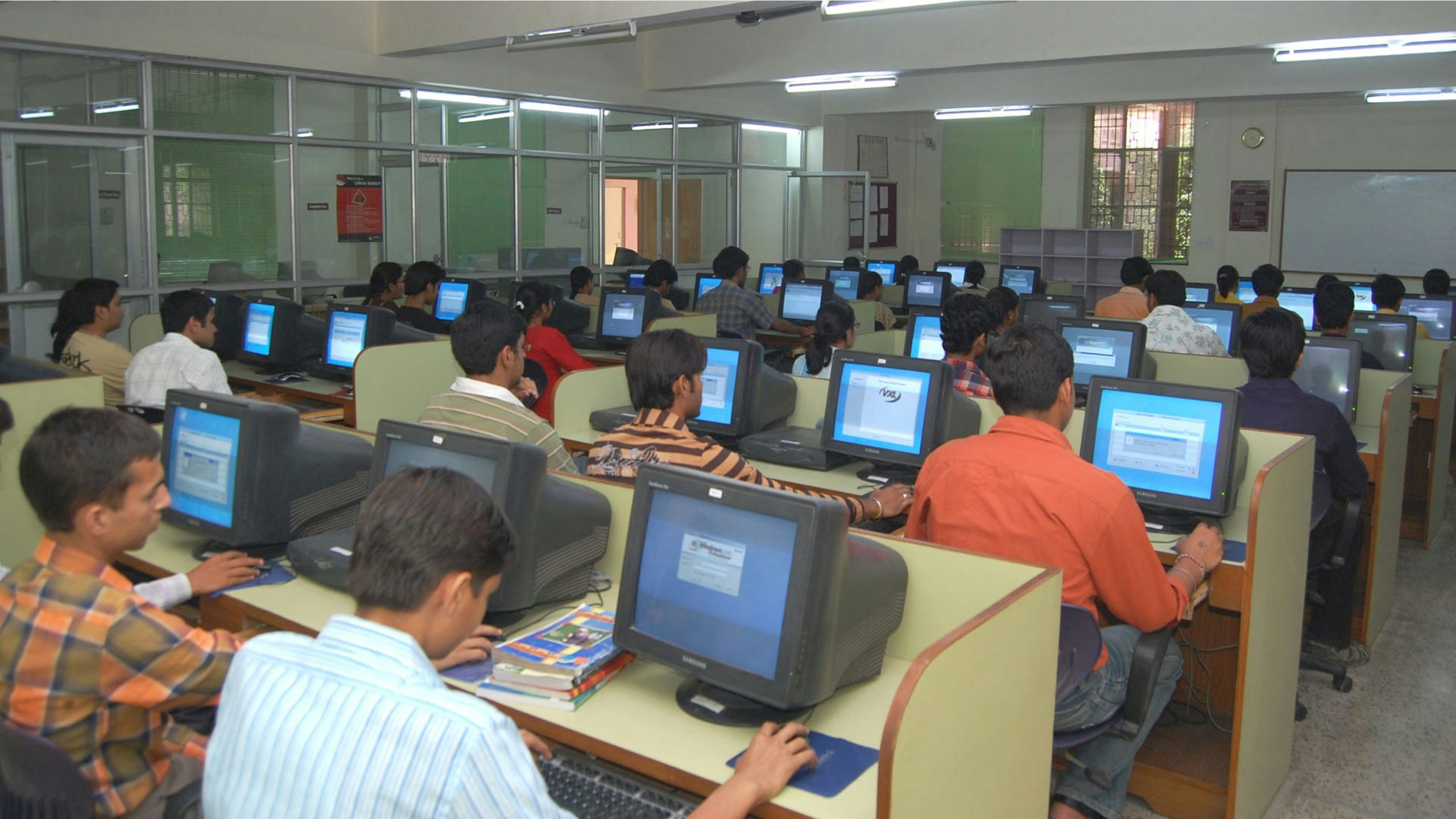
Artificial Intelligence (AI) is no longer a futuristic concept reserved for science fiction. It has become a transformative force across industries, and education is one of the most profoundly impacted sectors. The rise of Educational Technology (EdTech), powered by AI, is reshaping how students learn, how teachers teach, and how institutions operate. From personalized learning experiences to automated administrative tasks, AI is driving a new era of efficiency, accessibility, and innovation in education.
This article explores how AI is revolutionizing EdTech, the benefits and challenges it presents, and what the future may hold for learners and educators worldwide.
The Evolution of EdTech and AI Integration
Education technology has evolved significantly over the past two decades. Early EdTech tools focused on digitizing content—moving textbooks, worksheets, and lectures online. Learning management systems (LMS), virtual classrooms, and digital assessments became mainstream. However, these systems were largely static and did not adapt to individual student needs.
The integration of AI marked a turning point. Instead of simply delivering digital content, AI-enabled platforms analyze data, recognize patterns, and make intelligent decisions. This allows systems to tailor content, provide real-time feedback, and continuously improve learning experiences.
Today’s AI-powered EdTech solutions are capable of understanding student behavior, predicting performance outcomes, and recommending personalized study paths. The result is a shift from one-size-fits-all education to highly customized, student-centered learning.
Personalized Learning at Scale
One of the most significant contributions of AI in education is personalized learning. Every student has unique strengths, weaknesses, and learning speeds. Traditional classroom settings often struggle to address these differences effectively. AI changes this dynamic.
AI-driven platforms collect data on student interactions, such as quiz results, time spent on tasks, and engagement levels. Using this information, algorithms adjust the difficulty level, recommend supplementary materials, or revisit topics where students struggle.
For example, if a student consistently struggles with algebraic equations, the system can automatically provide additional exercises, video explanations, and practice tests. Conversely, advanced learners can move ahead without being held back by the pace of the class.
This adaptive learning model ensures that students receive the right content at the right time, maximizing comprehension and retention.
Intelligent Tutoring Systems
AI-powered tutoring systems simulate one-on-one human tutoring. These systems can answer questions, provide explanations, and guide students through complex problems step by step.
Unlike traditional tutoring, AI tutors are available 24/7, offering immediate assistance whenever a learner encounters difficulty. They can also identify patterns in mistakes and provide targeted feedback to prevent recurring errors.
Intelligent tutoring systems reduce dependency on human instructors for repetitive tasks, allowing teachers to focus on deeper engagement, mentoring, and critical thinking development.
Automated Assessment and Feedback
Grading assignments and providing detailed feedback is time-consuming for educators. AI significantly streamlines this process.
Automated grading systems can evaluate multiple-choice tests instantly and are increasingly capable of assessing short answers and essays using natural language processing. They analyze structure, coherence, grammar, and argument strength to provide feedback within seconds.
This immediate feedback benefits students by helping them understand mistakes while the material is still fresh in their minds. Teachers, on the other hand, can dedicate more time to lesson planning and individualized support.
However, with the growing use of AI-generated content by students, academic integrity has become a concern. Educators now rely on tools like an AI detector free to identify whether submitted work was generated by artificial intelligence. These tools help maintain transparency and uphold academic standards in an era where AI writing assistants are widely accessible.
Enhancing Accessibility and Inclusion
AI plays a crucial role in making education more inclusive. Students with disabilities or language barriers benefit significantly from AI-powered features.
Speech-to-text and text-to-speech tools help students with visual impairments or dyslexia. Real-time translation systems break down language barriers, enabling global classrooms where students from different countries can collaborate seamlessly.
AI can also detect signs of disengagement or learning difficulties by analyzing patterns in student behavior. Early intervention systems alert educators when students may need additional support, helping prevent dropouts and long-term academic struggles.
In remote or underserved areas, AI-driven platforms provide access to high-quality learning resources, narrowing the educational gap between urban and rural communities.
Data-Driven Decision Making
Educational institutions generate massive amounts of data—from attendance records and grades to engagement metrics and behavioral insights. AI systems analyze this data to provide actionable recommendations.
Administrators can identify trends, such as declining performance in specific subjects or the effectiveness of certain teaching methods. Predictive analytics can even forecast student outcomes, enabling proactive interventions.
For example, if data indicates that students who miss a certain number of classes are at high risk of failing, institutions can implement targeted support programs before problems escalate.
Data-driven insights empower schools and universities to optimize curriculum design, allocate resources efficiently, and improve overall academic performance.
Supporting Teachers, Not Replacing Them
A common concern surrounding AI in education is the fear that technology will replace teachers. In reality, AI serves as a supportive tool rather than a substitute.
Teaching involves emotional intelligence, empathy, creativity, and complex interpersonal skills—qualities that AI cannot replicate. Instead, AI handles repetitive and administrative tasks, freeing educators to focus on meaningful interactions with students.
For example, AI can automate attendance tracking, schedule management, and grading. Teachers can then spend more time fostering critical thinking, facilitating discussions, and mentoring students.
In this sense, AI enhances the human aspect of education rather than diminishing it.
Challenges and Ethical Considerations
Despite its many benefits, AI in EdTech presents several challenges.
Data Privacy and Security
AI systems rely heavily on data collection. Protecting student information from breaches and misuse is paramount. Institutions must implement robust cybersecurity measures and comply with data protection regulations.
Bias in Algorithms
AI systems are only as unbiased as the data they are trained on. If training data contains biases, algorithms may inadvertently reinforce inequalities. Continuous monitoring and ethical oversight are necessary to ensure fairness.
Over-Reliance on Technology
Excessive dependence on AI tools can reduce opportunities for critical thinking and independent problem-solving. Educators must strike a balance between leveraging AI and encouraging human-driven inquiry.
Academic Integrity
As AI writing tools become more sophisticated, distinguishing between student-generated and AI-generated content becomes increasingly complex. Schools must establish clear guidelines and integrate reliable detection systems to maintain academic honesty.
The Future of AI in Education
The future of AI in EdTech is promising and expansive. Emerging technologies such as generative AI, augmented reality (AR), and virtual reality (VR) will further enhance interactive learning experiences.
Imagine AI-driven virtual classrooms where students explore historical events through immersive simulations or conduct science experiments in safe, virtual labs. AI could dynamically adjust these simulations based on student input, creating truly interactive educational journeys.
Additionally, lifelong learning will become more accessible through AI-powered platforms. As industries evolve rapidly, professionals will need continuous skill development. AI can recommend personalized learning pathways based on career goals and market trends.
In higher education and corporate training, AI will likely play a central role in skills assessment, competency mapping, and workforce development.
Preparing for an AI-Driven Educational Landscape
To fully harness AI’s potential in education, stakeholders must take proactive steps:
-
Invest in Teacher Training
Educators should receive proper training to integrate AI tools effectively into their teaching strategies. -
Establish Ethical Guidelines
Clear policies on AI usage, data privacy, and academic integrity are essential. -
Promote Digital Literacy
Students must understand how AI works, its limitations, and its ethical implications. -
Encourage Human-AI Collaboration
Rather than viewing AI as a replacement, institutions should foster environments where technology and human expertise complement each other.
By embracing these principles, the education sector can ensure that AI enhances learning outcomes while preserving core educational values.
Conclusion
Artificial Intelligence is transforming education technology in unprecedented ways. From personalized learning and intelligent tutoring to automated assessment and enhanced accessibility, AI offers powerful tools to improve educational experiences for students and educators alike.
However, with great innovation comes responsibility. Addressing ethical concerns, safeguarding data privacy, and maintaining academic integrity are critical to sustainable AI integration.
Ultimately, the goal of AI in education is not to replace human interaction but to augment it—to create smarter systems that support teachers and empower students. When implemented thoughtfully, AI has the potential to make education more inclusive, efficient, and adaptive than ever before.
As we move deeper into the digital age, the collaboration between AI and EdTech will continue to redefine how knowledge is delivered, consumed, and applied—shaping the future of learning for generations to come.
Please Write Your Comments