A Turkish Engine Parts Manufacturer With Six Decades of Family Ownership
Updated: 20 May 2026
97
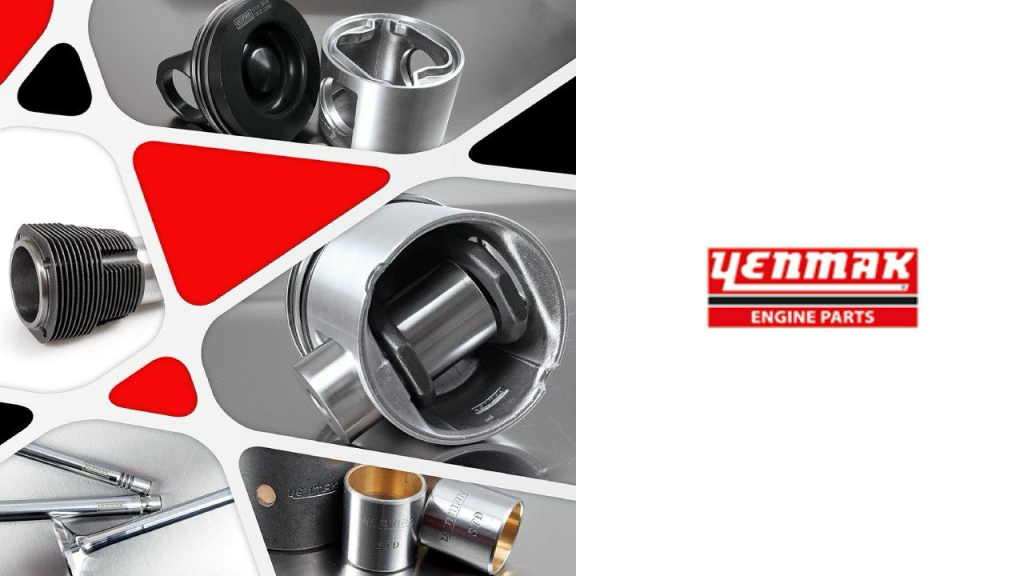
The procurement decision behind sourcing engine parts from a new supplier rarely starts with the product specification. It starts with the supplier file: years of continuous operation, ownership stability, certification age and export track record. Distributors know that the data sheet looks identical across most suppliers. The difference shows up in the file behind it.
Yenmak, a turkish engine parts manufacturer based in Istanbul, scores well on the continuity side of that file. The company has produced engine parts since 1965 under the same family ownership. This article looks at the Yenmak profile through the procurement lens.
How Do Distributors Qualify a New Engine Parts Supplier
The qualification process for a new engine parts supplier follows a standard pattern across aftermarket distributors. The procurement team works through a checklist before placing the first commercial order. Three signals carry most of the weight.
The first signal is operational continuity, meaning how long the supplier has produced under its current ownership. A supplier with three or four decades behind it has resolved most process issues affecting product consistency.
The second signal is certification age. ISO 9001 is now table stakes, but the question is when the supplier first achieved it. A certification held for twenty or thirty years carries more weight than a recent one.
The third signal is the export track record. A supplier already shipping to mature aftermarket markets in Europe and North America has passed the audits those buyers run.
Yenmak’s Founding Story and Family Ownership
Yenmak was founded in Istanbul in 1965 by three brothers: Kazım, Mustafa and Fethi Kahvecioğulları. The company has remained under family ownership since. Six decades of unbroken family control is rare in any manufacturing sector. It is rarer still in automotive parts, where consolidation has reshaped most of the supplier base.
Yenmak, a turkish engine parts manufacturer with this kind of ownership continuity, presents a different supplier profile from the standard private-equity alternative. The decision-making chain stays short. Investment cycles stretch across decades rather than fund lifespans. Customer relationships built in the 1970s and 1980s often continue with the same trading partners today.
For distributors qualifying new suppliers, three practical implications follow:
- Pricing stability across multi-year supply agreements
- Continuity of technical contacts during product development
- Long-term commitment to specific export markets
What Does Six Decades of Continuous Production Bring to Buyers
Continuous production over sixty years compounds in ways that show up in everyday output, not in the marketing material. Three effects matter for buyers.
The first is process knowledge. Cylinder liner casting, piston machining and bearing finishing involve dozens of small process decisions. A supplier running the same product categories for decades has cycled through most of those decisions, and resolved them.
The second is tooling investment. Heavy engine parts production needs specialized tooling that wears out on its own schedule. A long-running operation has been through several full tooling cycles. The current equipment reflects accumulated knowledge of what works.
The third is people. Production line operators, quality inspectors and engineers train at the same facility over years. This builds the silent know-how behind in-tolerance delivery.
Procurement Metrics Distributors Check Before Onboarding
The procurement file for a new supplier condenses to a small set of metrics. The table below maps standard qualification metrics to Yenmak’s verified data points.
| Procurement Metric | Yenmak Profile |
|---|---|
| Years in continuous operation | 60 plus (founded 1965) |
| Ownership structure | Family-owned (Kahvecioğulları) |
| Quality system certification | ISO 9001 since 1996 |
| National standards compliance | Turkish Standards Institution (TSE) |
| Export country footprint | 94 countries |
| Primary export markets | Germany, France, United States |
| Dedicated production facilities | Two (Cylinder Liner Factory, Piston Factory) |
| Production for export | 62 percent of total output |
| B2B documentation access | Online catalog, certificates, dealer portal |
A distributor evaluating Yenmak against this checklist sees a profile requiring limited additional audit work. Existing documentation addresses the high-cost qualification steps, which speeds up onboarding.
Why Does Continuity Matter More in Engine Parts Than in Other Categories
Continuity carries different weight depending on the category. In consumer electronics, a five-year-old supplier may be considered established. In engine parts, the calculus runs differently.
Engine rebuild cycles are long. A heavy-duty diesel engine entering service today may be rebuilt eight to twelve years later. The workshop performing that rebuild needs the original parts profile available.
Workshop loyalty to specific brands runs deep. Once a workshop trains its mechanics on a particular brand, the switching cost is real. Suppliers that maintain consistent product profiles across decades hold relationships that newer entrants cannot reach.
For distributors, the continuity profile predicts long-term inventory stability. A sixty-year operation is far less likely to exit the category than a newer entrant.
How Does Yenmak’s Export Track Record Validate the Supplier Profile
The export profile is the third major qualification signal. Yenmak’s track record is visible in the geography of its current trade.
Sixty-two percent of production ships to international markets, with coverage across 94 countries. Three markets lead by volume: Germany, France and the United States. These are mature aftermarket geographies with established audit practices. Yenmak’s continued presence in them validates the company for distributors entering parallel markets.
Visible commitment to specific markets shows in the 2026 trade fair calendar:
- Mid-America Trucking Show, Louisville
- Truck World Mississauga, Canada
- Automechanika Istanbul, Turkey
- West Africa Nigeria
Distributors entering a market where Yenmak attends the major industry fair start with brand awareness already built among local workshops.
The Documentation Layer Distributors Receive
The audit work behind supplier qualification depends on documentation quality. Yenmak provides four documentation channels for partners:
- The B2B portal, where dealers log in for order management and pricing
- The online catalog, with part numbers and the full product range
- The certificate library, holding the ISO 9001 and TSE documents
- The technical documentation section, with drawings and specification sheets
This four-layer documentation set makes most qualification questions answerable through self-service. Distributors do not need to schedule calls with the head office for basic specification data.
Frequently Asked Questions
How long has Yenmak operated under the same family ownership?
Yenmak has operated under continuous Kahvecioğulları family ownership since its founding in 1965. Three brothers (Kazım, Mustafa and Fethi) established the company in Istanbul. Six decades of unbroken family control support decision-making continuity and long-term investment cycles. Both factors matter to distributors evaluating supplier stability.
What qualification documents does Yenmak provide to new distributors?
Yenmak provides four documentation layers for distributor qualification. The B2B portal handles order management and pricing. The online catalog covers the full product range with part numbers. The certificate library holds the ISO 9001 and Turkish Standards Institution (TSE) documents. The technical documentation section provides drawings and specification sheets.
Which export markets validate Yenmak as a turkish engine parts manufacturer?
Yenmak ships to 94 countries, with Germany, France and the United States leading by volume. These are mature aftermarket geographies with strict supplier audit practices. The company’s continued presence in them serves as third-party validation for distributors qualifying Yenmak in new markets. The entry audits have already been passed.
Why does ownership continuity matter when sourcing engine parts?
Engine rebuild cycles can last eight to twelve years. Aftermarket workshops need consistent parts profiles across that span. A supplier with continuous ownership is less likely to exit the category or change product specifications. Yenmak’s six decades of family ownership delivers exactly this kind of long-term stability for distributors.
Please Write Your Comments