Can You Use Any Charger for Your Smartphone?
Updated: 20 May 2026
29
Phone chargers are everywhere, and many people grab whichever is nearby without thinking. Often that works fine, but not every charger offers the same safety, speed, or reliability. A poor-quality charger can slow charging, overheat, or harm battery health. Meanwhile, modern smartphones are smart enough to adapt safely to many chargers. Knowing which chargers to use—and which to avoid—protects both your phone and your convenience. This article explains how chargers work, what to look for, and how to charge safely and efficiently.
Check the Connector
USB-C is now standard
USB-C has become the most common charging connector on modern smartphones because it is fast, convenient, and reversible. Unlike older connectors, you can plug it in either way without worrying about orientation. In daily life, this makes charging simpler, especially when using your phone in low light or while traveling. USB-C also supports faster charging and quicker data transfer compared to many older standards. Because it has become widely adopted, many households can now share the same cables between different devices. This convenience makes USB-C one of the biggest improvements in everyday smartphone use.
Older phones need Lightning or micro-USB
Not every phone uses USB-C, especially older devices that were released several years ago. Some still rely on older connectors, which means newer cables may not fit properly. In everyday situations, this can cause confusion when borrowing chargers from family members or coworkers. It’s important to check your device’s charging port before buying replacement cables or adapters. Using the wrong connector can damage the port or simply prevent charging altogether. Keeping the correct cable nearby saves time and avoids unnecessary frustration.
Match Power Specs
Wrong specs slow charge
Even if a charger fits your phone, that doesn’t always mean it will charge efficiently. Chargers deliver different levels of power, and a low-output charger may take much longer to recharge your device. In real life, this becomes noticeable when you need a quick battery boost before leaving the house. Your phone may still charge, but the speed could feel frustratingly slow. Matching the charger’s power output to your phone’s supported charging level helps ensure better performance. A proper match makes daily charging more convenient and reliable.
Unsafe chargers risk damage
Cheap or poorly designed chargers can create unstable power delivery, which may affect your phone’s battery over time. In some cases, they can overheat or cause inconsistent charging behavior. Most people notice this when a phone becomes unusually warm or charges unpredictably. Over time, repeated exposure to unstable charging can reduce battery lifespan and overall performance. Choosing chargers with proper safety protections helps reduce these risks significantly. A reliable charger is not just about speed, but also about protecting your device long term.
Avoid No-Name Chargers
Lack safety certifications
Many low-cost chargers look similar to high-quality ones, but they often skip important safety testing and certifications. Without these protections, the charger may not regulate power correctly during charging. In daily use, this can lead to overheating, unstable charging speeds, or poor durability. Certified chargers are designed to handle heat, voltage changes, and long charging sessions more safely. This becomes especially important for overnight charging or frequent daily use. Spending slightly more on a trusted charger can provide much greater peace of mind.
Risk overheating or fire
One of the biggest concerns with unreliable chargers is excessive heat. Overheating not only affects battery health, but can also become a safety hazard if ignored. Many people have experienced chargers becoming unusually hot after extended use, especially with low-quality products. Heat buildup can damage charging ports, cables, and internal battery components over time. In rare situations, it may even create a fire risk if the charger lacks proper protection systems. Using dependable accessories greatly reduces these dangers while improving overall charging stability.
Fast Charging Needs Compatibility
Different brands use different standards
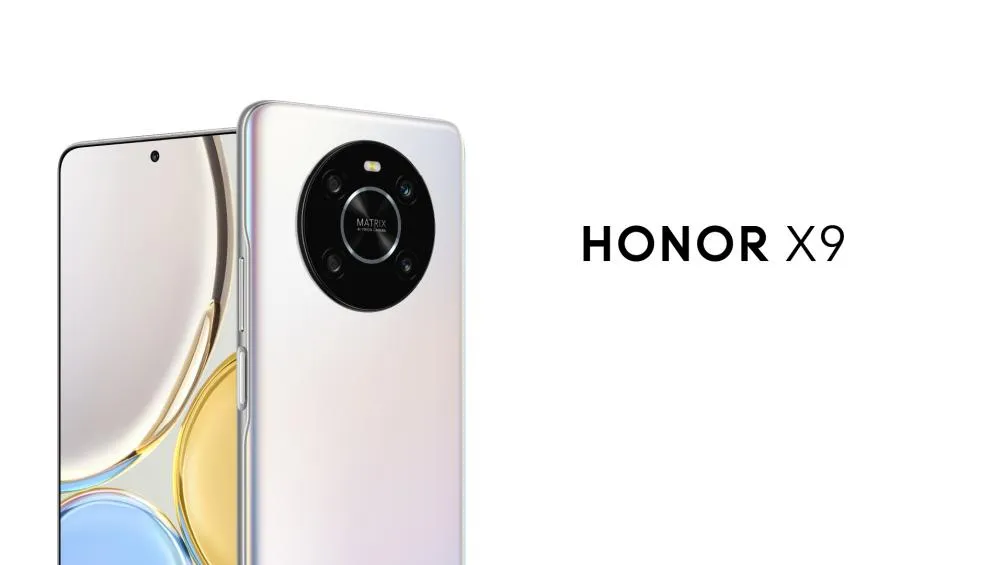
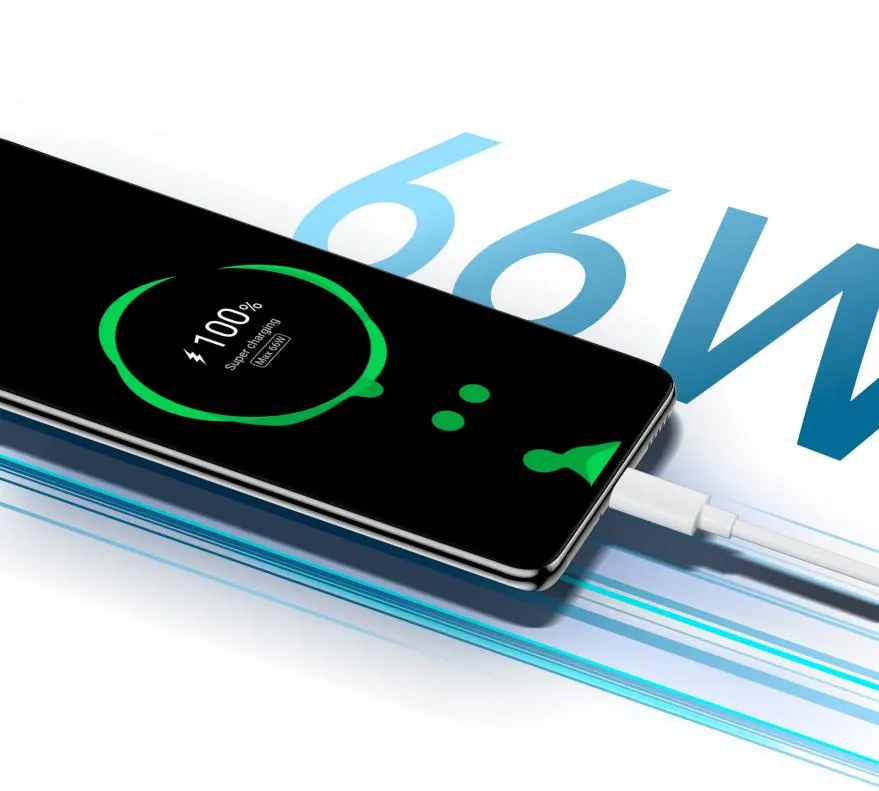
Fast charging technology is not always universal, and different manufacturers often use their own proprietary protocols to achieve higher speeds. This means a charger may physically connect to your phone but still fail to activate its fastest charging mode. In everyday situations, users sometimes wonder why their phone charges quickly with one adapter but much slower with another. A phone like the HONOR X9, for instance, supports 66W SuperCharge—but that speed only works with compatible hardware. Without the right charger, even fast-charging capable phones will perform at ordinary speeds. Understanding compatibility helps you get the full benefit of modern fast-charging technology instead of settling for slower performance.
Wrong charger = slow charge only
If a charger does not support your phone’s fast charging protocol, the device will usually fall back to standard charging speeds. This protects the battery, but it also means charging may take much longer than expected. In real life, this can become inconvenient during busy days when you only have a short time to recharge. Many people mistakenly assume their phone battery is aging when the real issue is charger compatibility. Using the correct charger and cable combination can instantly improve charging performance. Small details like this can make a big difference in daily convenience.
Conclusion
Most smartphone chargers work with most phones, but quality and compatibility still matter. Using the right connector, matching power specs, and avoiding cheap chargers protect your battery and improve efficiency. Fast charging only works well when phone and charger are properly matched. A good charging setup saves time and frustration. Sticking with trusted accessories is an easy way to protect your device long term.
Please Write Your Comments